
The Ready-to-Drink (RTD) alcoholic beverage and pre-mixed cocktail market is frequently treated by commercial teams as a convenience-first category where aluminum cans rule supreme. However, relying on broad category-level volume data often blinds brands to hidden premium margins. This cross-market choice-based conjoint study surveyed 448 active RTD buyers across Germany, Spain, and France to isolate exactly how packaging format, liquid volume, and alcohol by volume (ABV) interact with a consumer’s willingness to pay. The entire study, from experimental design to market simulation, was executed in just 14 days, uncovering major, demographic-specific revenue opportunities.
The research reveals that while cans predictably dominate mainstream volume at an aggregate level, a multi-format portfolio architecture unlocks dramatic margin optimization when targeted at specific consumer segments. In France, market simulators demonstrated that glass bottles carry an immediate perceived value premium among female shoppers. When evaluated head-to-head against a standard 250 mL can at a baseline price of €2.10, a glass bottle variant of Bacardi Mix’r Mojito successfully commanded a 14% price premium (€2.39) before reaching a point of consumer indifference. Introducing this premium glass SKU to the shelf successfully captured a 13.6% volume share, driving incremental portfolio growth by recruiting high-value consumers into new premium consumption occasions rather than causing internal brand cannibalization.
The regional and demographic splits outlined in the whitepaper paint a highly strategic picture across continental Europe:
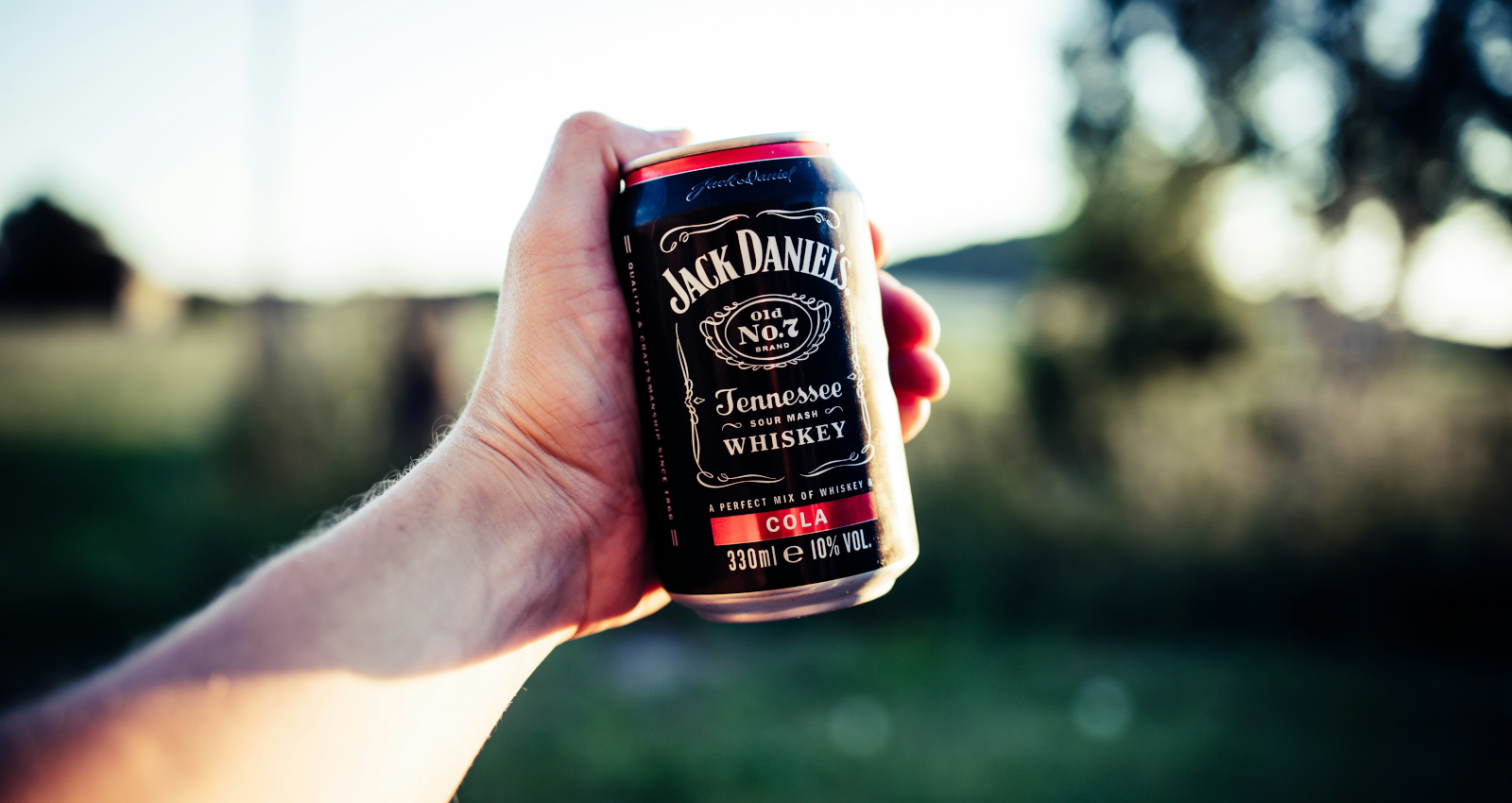
- Spain: Younger male consumers (aged 19–35) display an extraordinary affinity for glass over cans. In a head-to-head market simulation for Jack Daniel’s formats, the glass bottle commanded an incredible 52% format premium while maintaining market share parity.
- Germany: Mainstream demand favors the convenience of cans, but the 36–50 middle-aged bracket completely flips the trend. For this demographic, a glass format commanded a 46% price premium before hitting consumer indifference, appealing directly to mature quality perceptions.
- The ABV Lever: Across all three nations, consumers demonstrated a subtle but highly consistent preference for “the stronger sip,” showing an explicit willingness to absorb price premiums for variants with higher alcohol concentrations (e.g., a 5.0% ABV variant consistently outperforming 3.5% or 0% non-alcoholic options).
Ultimately, the whitepaper concludes that RTD brands face an asset-allocation decision rather than a binary choice between glass or aluminum. Winning in the modern beverage landscape requires an intentional dual-format strategy: maintaining highly efficient can lines to anchor high-volume, mainstream convenience demand, while simultaneously deploying targeted glass bottle variations to recruit premium shoppers and capture deep consumer surplus. Read the full, open-access study to integrate predictive choice mechanics into your next beverage portfolio review.