
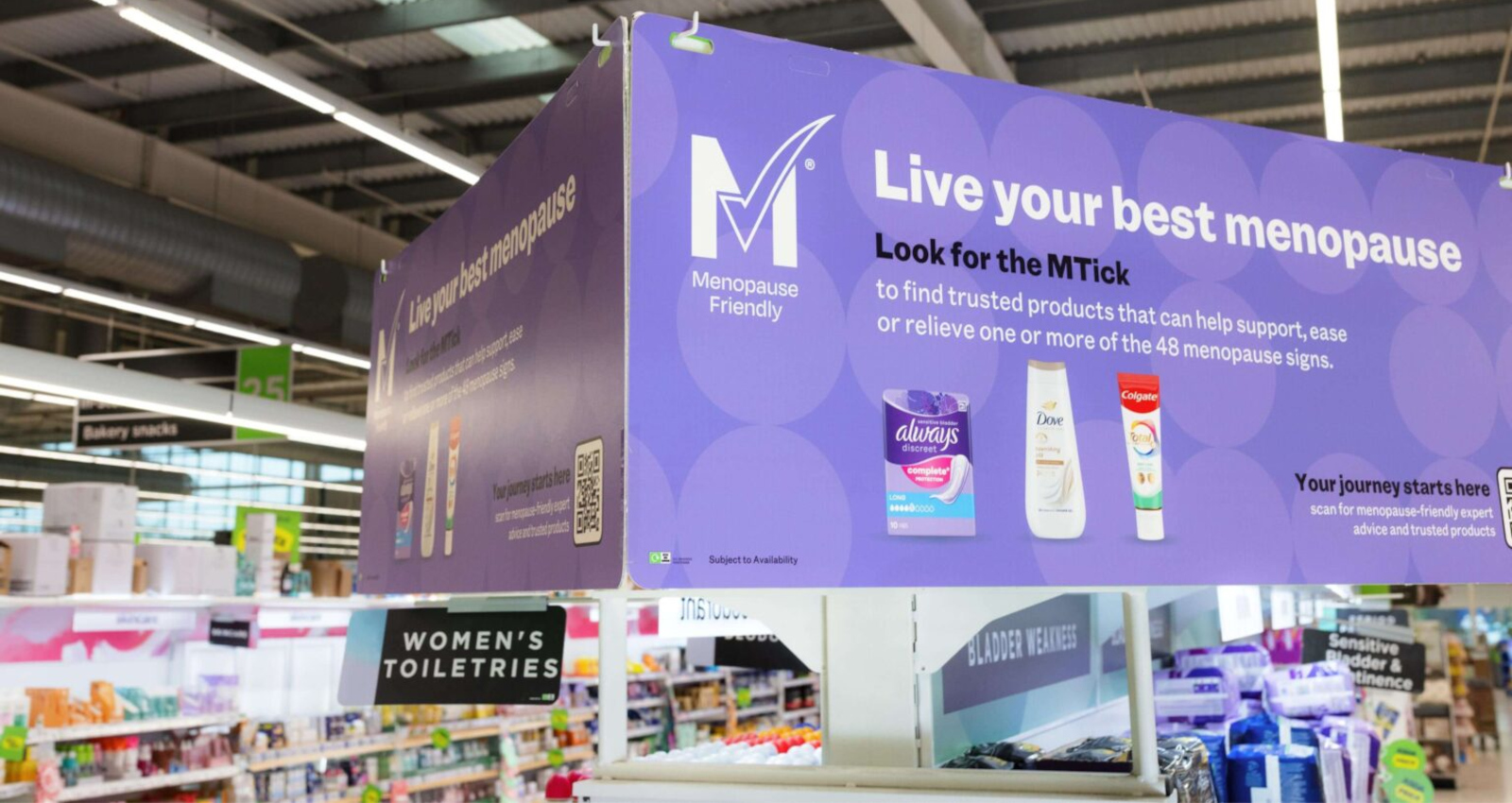
Corporate social responsibility is no longer just a public relations initiative. It has fundamentally shifted how consumers evaluate products at the shelf. However, for many brand managers and pricing strategists, Environmental, Social, and Governance (ESG) claims remain a complex commercial variable. While it is easy to assume that ethical messaging automatically enhances a product’s appeal, the reality is far more nuanced. This whitepaper looks past the generic sustainability hype to deliver a rigorous, data-driven analysis of how specific ESG claims actively influence consumer choice and brand performance across competitive categories.
By simulating real-world purchasing environments, the research isolates the exact economic utility of distinct ESG claims. This research project was conducted in direct collaboration with GenM, leveraging their pioneering MTick initiative—the universal symbol and certification for menopause-friendly shopping. By integrating the MTick trust mark into our choice-based conjoint survey design alongside more traditional sustainability and ESG claims, the study uniquely highlights how purposeful, underserved health markers influence consumer purchasing habits. You will gain a first-hand look at how trust-based certifications alter price elasticity and drive brand preference on both physical and digital retail shelves.
Rather than applying a flat price premium across your entire portfolio, the analysis demonstrates how a customer’s willingness to pay fluctuates wildly depending on the product category, the core brand identity, and the specific type of purpose-led claim being made. For sustainability officers, marketing directors, and pricing leaders seeking a pragmatic approach to ethical branding, this document provides an objective framework for decision-making. Access the full whitepaper to bring predictive choice metrics and certified trust markers to your brand’s growth strategy.