
Public Transport Fare Increase: The €2.30 Ceiling
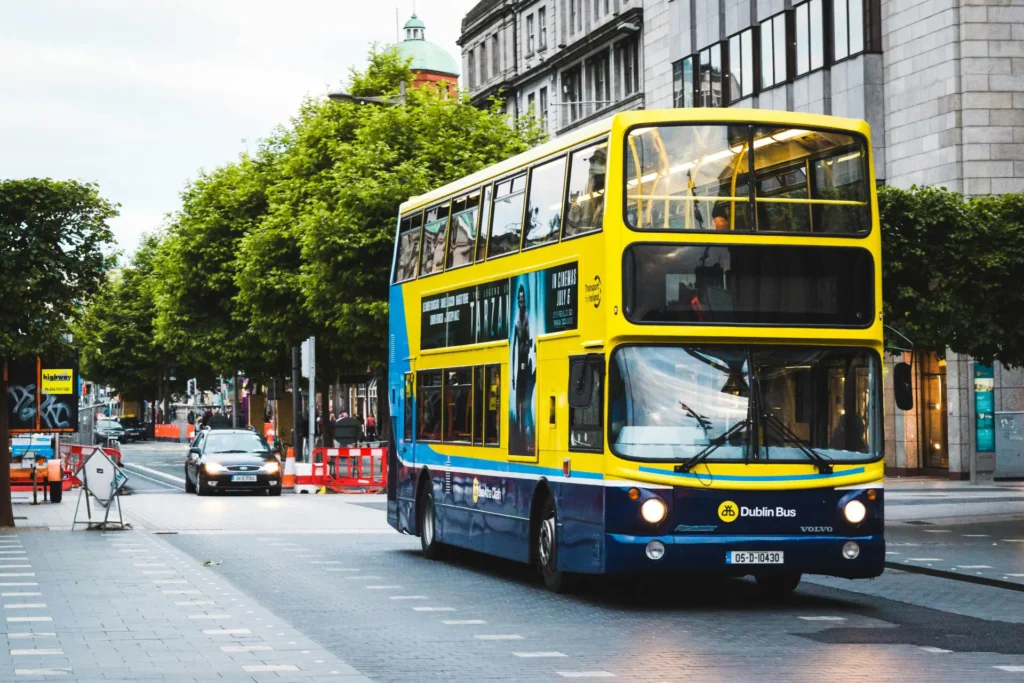
A public transport fare increase is rarely judged on whether riders like it. The real question is how they respond: do they leave, ride less, or carry on? A 15% rise on Dublin’s €2.00, 90-minute Leap fare puts that to the test.
We surveyed 300 adult Leap card commuters who ride Dublin Bus at least twice a week, using a conjoint simulation. Up to €2.30, riders are relatively insensitive: each 1% fare rise costs less than 1% of preference. Beyond €2.30, it costs more than 4%. The daily cap matters as much as the fare. At €2.30, holding today’s €6.00 cap is preferred by 43.3% of riders; a €6.30 cap halves that to 21.5%.
Download the full paper for the revenue scenarios, the cap awareness gap and what wins over undecided riders.
Dog Eat Dog: The Fight for the US Robot Dog Market Begins

The cheapest price is rarely the best price, and a July 2026 FCC ruling blocking new foreign-made robot dogs makes the number…
The Synthetic Shortcut: When AI Can Speed Up Research, and When Real Human Choice Still Has to Lead

Synthetic respondents validity holds up in categories a model already knows, which is exactly why the pressure to use them everywhere is real…
The Stripped-Down Fare: Why Recognition Alone Is Not Pricing Power

The economy short-haul fare has been stripped down to a base price plus a menu of paid extras, and full-service carriers are increasingly following the low-cost playbook …
The Stout Challenger: Murphy’s, Guinness, and the economics of the Wetherspoons relisting
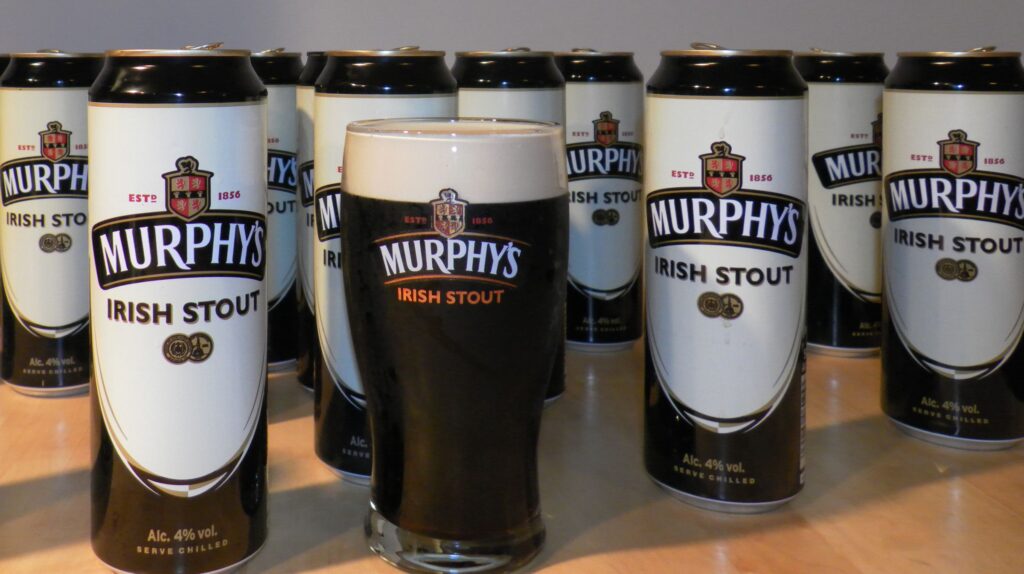
Choice-based modeling reveals that while Murphy’s relisting expands the total stout category, it pulls volume from higher-margin lager and dilutes total draft revenue for pubs…
Cracking the AI Credit Economy: How Figma Make Users Trade Off Price, Control, and Allocation

Discover how Figma Make users weigh AI credit allocations, price, and spending controls. Download EPIC’s choice-based study on AI monetization strategies…
The £12 Threat: Brand Equity and Counterfeit Economics in the UK Football Market
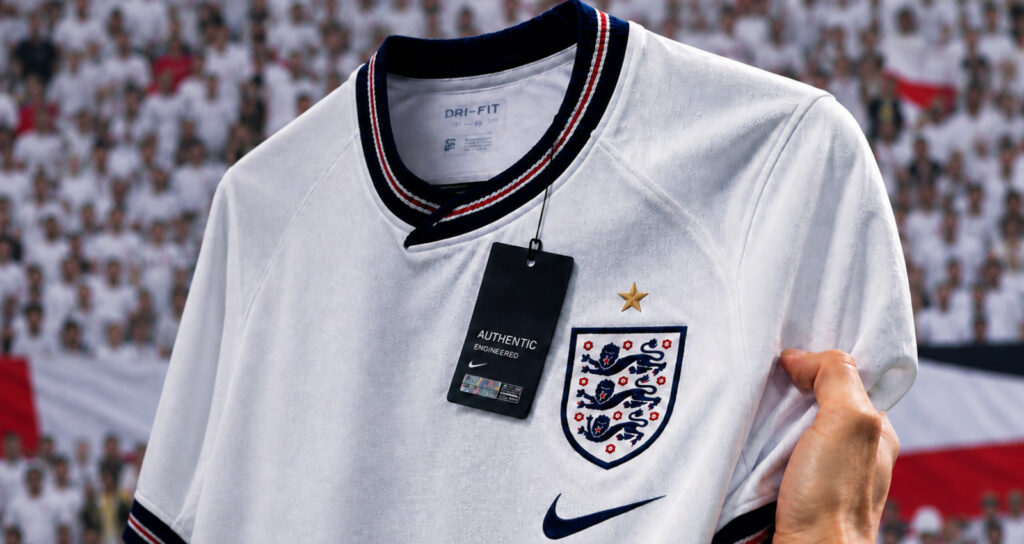
Stop chasing volume downward. Discover how conjoint analysis reveals that 80% of counterfeit buyers return to the official brand when availability friction is raised…
Rethinking Packaging: Segment-Led Premiumization in the RTD Category

Stop treating pre-mixed cocktails as a single can-only category. Learn how conjoint simulation isolates up to a 52% price premium for glass formats among target demographics…
Monetizing Friction: What Happens When ChatGPT Introduces Ads?

Stop fearing ad backlash. Discover how choice-based analytics prove that introducing ads to free tiers drives premium upgrades and unlocks an optimized $195M subscription revenue model…
Who Is Right… Michael O’Leary or Elon Musk? How Pricing Assumptions Can Suppress Nine-Figure Opportunities
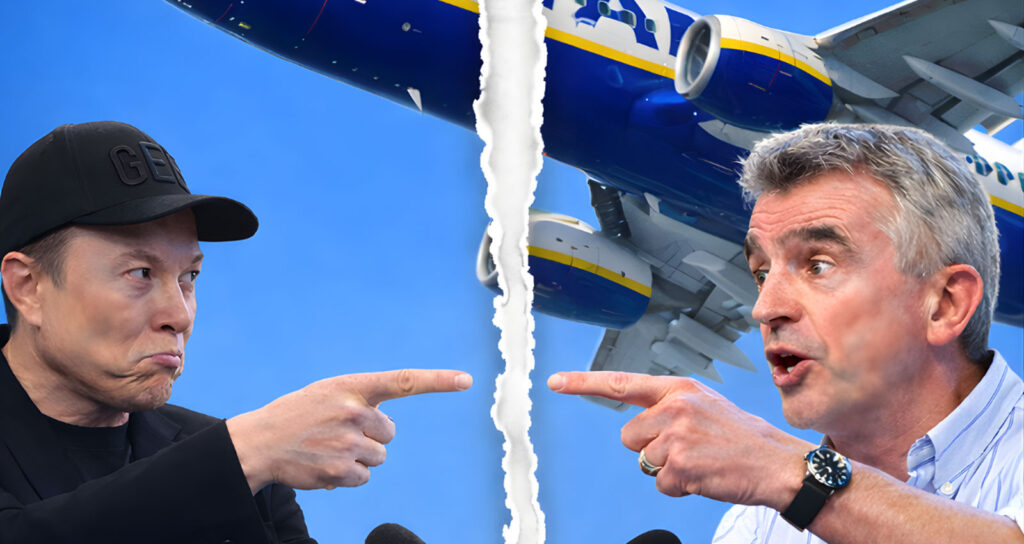
Stop relying on gut assumptions to allocate capital. Discover how choice-based analytics converted a speculative airline WiFi debate into an optimized £830M revenue architecture…